

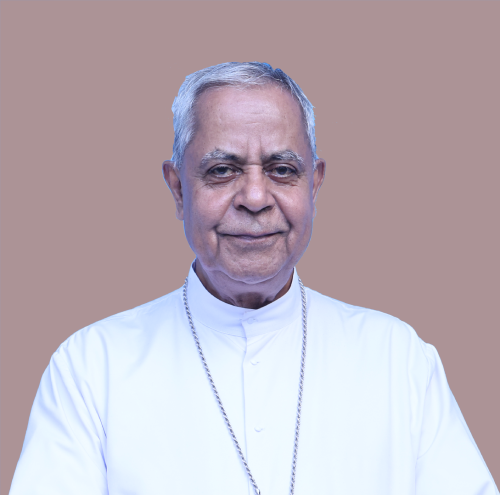
Biblical Apostolate in North East India: Opportunities and Visions for the Future
Most Reverend Peter Abir, ….
A very warm welcome to Guwahati, and the archdiocese of Guwahati. We appreciate your effort to travel to Guwahati to take part in meeting of the Bible Commission of the region. Bishop Peter Abir has taken great interest to hold this programme here, so too Rev Fr. Patrick. Thank you. But I must give full credit to Fr. Johnson Thurackal, the Secretary for the commission for making this meeting happen. It is a pleasure to have you with us today as we gather with a common desire: to promote the Word of God and make the Bible a living source of faith, hope, and transformation in North East India.
I am given the task of speaking on, “The Biblical Apostolate in the North East Region of India: Opportunities and Visions for the Future”. This topic an invitation to assess what we have accomplished but and to discern what the Holy Spirit is asking of us in the years ahead.
1. North East India: A Land of diversities
North East India offers a rich context for the biblical apostolate. Our region is blessed with extraordinary cultural and linguistic diversity, with a strong sense of community, respect for elders, rich oral traditions, a deep awareness of the spiritual dimension of life, and great talent for music and singing. These cultural values and natural talents offer fertile ground for the reception of the Word of God. Many of our communities have preserved their histories, wisdom, values, and identity through stories, songs, proverbs, and oral narratives. We can use these traditions creatively to communicate biblical truths, especially to children, young people, and communities that benefit from oral forms of learning.
The faith of our people has been nourished by generations of missionaries, catechists, religious, and lay leaders. They travelled long distances, befriended people and passed on the message of the Bible which people received with joy and persevered even in the face of opposition and persecution.
Our linguistic diversity calls for renewed commitment to Bible translation. People encounter the Word of God more deeply when they hear or read it in a language close to their hearts. We therefore encourage and support the translation of biblical texts into local languages, and try to ensure that
translations are as accurate as possible, are accessible, and culturally meaningful. However, most of them are in the experimental stage
I have noted down full translations Bibles in 16 languages specific to North East India, namely, Assamese, Boro, Khasi, Garo, Mizo, Rabha, Karbi, Tiwa, Kokborok, Mao, Thangkhul, Poumai, Rongmei, Zou, Adi, and Nishi. NT are available in Wancho and Mossang dialects. Many others are in the processes of translation. Besides that, we use English, Hindi, Santal, Sadri, and Bengali which are common to other parts of India. These may not be the full list of languages in which we have Bibles. There are many other tribal languages in which have Protestant Bible translation, thanks to the Bible society of India. We use them as we do not have Bible in these languages.
Our region faces challenges: social tensions, ethnic conflicts, economic inequalities, environmental concerns, and the uncertainties experienced by many young people. The Bible can help us address these realities with the wisdom of the Gospel. It teaches us to respect human dignity, seek reconciliation, protect creation, and build communities founded on justice, compassion, and peace.
2. Opportunities for a Renewed Biblical Apostolate
What practical steps can we take to strengthen the biblical apostolate in our region?
First, we must make the Bible central to family life. The family is the first school of faith. We should encourage families to keep the Bible in a prominent place in their homes and, more importantly, to read and pray with it together. *** Lady asking to bless the Bible. Even a short daily reading followed by a few moments of reflection can gradually transform family relationships and deepen faith.
Second, we must strengthen biblical formation in parishes especially through Small Christian communities, Bible-sharing groups, Scripture study programmes, retreats, and prayer meetings. These can help the faithful understand the Word of God more deeply. These gatherings should not remain merely intellectual exercises; they should lead to conversion, fellowship, and concrete acts of Christian charity.
Third, we must invest in the young. Young people are searching for meaning, identity, direction, and hope. We should help them discover that the Bible speaks to their questions and struggles. Bible camps, youth fellowships, Scripture
quizzes, skits, creative storytelling, digital resources, and social media initiatives can make biblical formation more accessible and engaging.
Fourth, we must deepen biblical formation among priests, religious, catechists, and lay leaders. Those who proclaim the Word must first allow themselves to be formed by it. Our preaching, catechesis, and pastoral activities will be fruitful only when they flow from a genuine encounter with Scripture.
Fifth, we must make better use of modern communication technologies. Digital platforms provide opportunities to share daily Scripture readings, short reflections, audio recordings, videos, and biblical formation materials in local languages. Such initiatives can reach people who may not regularly attend parish programmes, including those living in remote areas. Technology, however, must insist on personal encounter and community life rather than replace them.
In this context I must congratulate the Claretians, St. Paul society and other dioceses for making available the world of God through Bible diaries and similar efforts making the word of God for daily reading and reflection. The Bible |app is another initiative that helps people listen to the Bible in the language of thir choice even while travelling.
3. A Vision for the Future: A Church Nourished by the Word
As we look to the future, our first priority must be to build a truly biblical Church. We should inspire to communities in which the Bible is heard only during Mass or formal prayer gatherings to make it a constant companion in their lives. The Word of God should shape our decisions, relationships, pastoral priorities, and response to the needs of society.
Our second priority must be to make the Word of God a source of unity and peace. In a region as diverse and challenging as North East India, the biblical apostolate must contribute to reconciliation among communities. The Gospel calls us to overcome prejudice, reject hatred, listen to one another, and recognize the dignity of every person. When we allow the Word of God to challenge our attitudes and prejudices, it can become an instrument of healing and peace.
Our third priority must be to foster collaboration. The biblical apostolate cannot be the responsibility of a few committed individuals or a single institution. Dioceses, religious congregations, Bishops, priests and religious, the Bible societies, theologians, catechists, families, and lay movements must work
together. We should share resources, coordinate initiatives, support biblical scholarship, and develop pastoral programmes suited to the particular needs of our region and avoid unnecessary duplication.
Again, we must also learn from the experiences of other regions while remaining attentive to the cultures, languages, and lived experiences of the peoples of North East India.
Above all, we should remember that the ultimate purpose of the biblical apostolate is not simply to distribute more Bibles or organize more programmes, it is to help people encounter the living Christ, become his disciples, and bear witness to his love.
Conclusion: Becoming Witnesses to the Word
Dear brothers and sisters, the future of the biblical apostolate depends not only on our plans and programmes but also on our personal relationship with the Word of God. The words of St. Jerome remain relevant: ignorance of Scripture is ignorance of Christ. If we want our people to know Christ more deeply, we must bring them closer to Scripture. And if we want them to discover the power of Scripture, they must see its transforming effects in our own lives.
Let us therefore commit ourselves to a renewed biblical apostolate in North East India—one that is rooted in prayer, sensitive to our cultures, attentive to the needs of young people, committed to the poor, open to collaboration, and courageous in proclaiming the Gospel.
May our parishes become communities that listen to the Word, our families become homes where the Word is cherished, our young people become enthusiastic witnesses to the Word, and our local Churches become instruments of reconciliation and peace through the Word.
So, I pray:
Let the Word dwell in us more deeply.
Let the Word spread more widely through us. Let the Word unite our dioceses and congregations in one mission. And may the Word of God continue to be a lamp for our feet and a light for our path (Ps. 119:105).